In our last post, we talked about the problems that can arise when data and safety managers aren’t aligned.
Topics: Clinical Data Management



You want to keep your trial on track, but physical distancing and travel restrictions have made it difficult. Fortunately, IMARC has experience providing remote services.
In our last post, we talked about the problems that can arise when data and safety managers aren’t aligned.
Topics: Clinical Data Management
When it comes to collecting and reviewing clinical trial data, your data and safety management teams need to be closely aligned.
Topics: Clinical Data Management
The Right to Try Act greatly expands access to eligible investigational drugs which are not yet FDA approved but could potentially help a patient with a terminal illness.
The Act was signed into law in May 2018. The FDA recently released proposed, annualized reporting requirements associated with the Right to Try Act to provide federal oversight of eligible patients.
Topics: The Right to Try Act

If your clinical research site has experienced serious process-level issues, a corrective and preventive action (CAPA) plan can help.
Topics: CAPA
As a global medical device CRO, IMARC is sometimes asked to “clean up” clinical research sites after things have gone wrong due to poor management or other issues.
Of the 113 sponsor, monitor, and CRO inspections the FDA’s Bioresearch Monitoring (BIMO) Program noted in its fiscal year 2019 report, 27% had some type of deficiency that required either voluntary action or official action.
Topics: Clinical Trial Lifecycle
The coronavirus vaccine trials are well underway, with 11 vaccines now in Phase 3 testing globally, according to the World Health Organization’s vaccine tracker.
Dr. Jay Butler, deputy director of the US coronavirus vaccine initiative, Operation Warp Speed, said in a press conference Friday he believes it’s “reasonable to expect that we will have at least one, possibly two products available before the end of the calendar year.”
As the race for a COVID-19 vaccine continues, the stakes have never been higher; the pace of innovation, never faster.
Topics: History of Clinical Research

A corrective and preventive action (CAPA) process can help address three possibilities we all fear in clinical trials:
Topics: CAPA

Whether on the site or at the sponsor level, we are asked to use Good Documentation Practices in clinical research.
One might assume that a quick visit to the FDA website would produce the list of best practices. However, there is no Code of Federal Regulations for clinical trial documentation. Here's a closer look at why Good Documentation Practices (GDP) are so important and some important guidelines to follow.
Topics: Good Documentation Practices, FDA, Clinical Research

A clinical monitoring visit is an important step to ensuring a study is maintaining compliance and staying on track.
These days, more sponsors are supplementing on-site visits with remote monitoring. Regardless of the format, what happens before and after the visit is just as important as what happens during it.
As monitors, we spend a decent amount of time preparing for the visit – before we even head out the door. On the road, we’ve noticed that the most effective site coordinators tend to be those who also prepare for the visit. Spending an extra hour or two before the visit can decrease the amount of queries, follow-up items and even the length of the visit itself.
Here is a short overview of what research coordinators can expect from a clinical trial monitoring visit and five steps they can take to prepare.
Topics: Coordinators, Meeting Preparation, Clinical Monitoring

The COVID-19 pandemic has dramatically changed clinical research as we know it, forcing many clinical researchers to re-evaluate their priorities.
Topics: Clinical Monitoring
As a result of lacking documentation, missing data, or noted discrepancies, research professionals may turn to the use of a memo or note to file (NTF) to record and explain issues throughout a clinical trial.
We’ve all heard and advocated that “if it wasn’t documented, it wasn’t done”, but is a note to file the best way to remedy absent or deficient documentation?
Topics: Monitoring

Recent developments in remote clinical trial monitoring indicate it might soon become part of the standard process for researchers.
Some of these developments have been visible to industry observers for the past decade. Others have been brought about by the global coronavirus pandemic.
Here’s an update on the state of remote monitoring of clinical trials.
Topics: Clinical Monitoring
If one of your clinical research sites has received an FDA warning letter or FDA Form 483, your first instinct may be to panic. It may also be tempting to look for someone to blame, which is equally unhelpful.
Topics: Form 483, FDA, Warning Letters

Research coordinators can bind the clinical research process together to ensure that a trial is efficient and compliant.
With subject safety, protocol and regulatory compliance, and quality data collection being at the forefront of their crucial role, research coordinators truly are vital to clinical research.
Topics: Research Coordinators

How often have we heard the phrase, “be careful what you put on the internet because you can’t take it back”?
Whether it be on social media, chat rooms or various websites, this has been especially important during the job interview process as many companies have started screening potential candidate’s internet presence to see if they would be a good fit for the company. Quite recently, we have seen in the news many stories of individuals who lost their jobs due to comments they made online that did not align with the company values.
Topics: medical device trends

Wearable medical devices are growing in popularity along with the rise of consumer-grade wearable technologies, such as fitness trackers and the Apple Watch.
Topics: medical device trends
As a global medical device CRO, monitoring has been at the core of our mission at IMARC since the company was founded over 20 years ago.
Topics: Clinical Monitoring

No matter your role in clinical research, you may encounter issues that require further investigation.
For instance, imagine you realize two medical devices are missing. You eventually find them, but in the meantime you're concerned they could have been accidentally implanted into patients who were not study participants.
Anytime you encounter a serious process-level issue, you should investigate the cause and create a corrective and preventive action plan, known as a CAPA.
Topics: CAPA
You already know monitoring is a critical part of protecting patients, ensuring compliance and maintaining data integrity in clinical research.
Topics: Clinical Monitoring
The 3D printed medical devices industry has been gaining ground for years, and its growth has accelerated in recent months due to the coronavirus pandemic.
Topics: medical device trends

Good clinical monitors are hard to find—and even harder to keep. If you’ve been experiencing this challenge at your sites, you’re not alone.
Topics: Clinical Monitoring

In spite of the global pandemic, medical robotics companies haven’t stopped innovating.
Analysts predict the global healthcare robotics market will reach $30 billion by 2026.
Medical robots have been around for over two decades since the FDA first approved the da Vinci surgical system in 2000. However, medical robotics companies have introduced many new applications and enhancements since then, thanks to more recent technology such as artificial intelligence.
Topics: medical device trends

Clinical monitoring is challenging enough when everything goes as planned.
Monitors are expected to review large volumes of study data and ensure your trial complies with all applicable FDA and ISO regulations, Institutional Review Board requirements and study protocol.
They are responsible for identifying compliance issues or inconsistencies before they lead to bigger problems that can cause delays or compromise data integrity.
When a monitor leaves or lacks proper training, it can impact your entire clinical trial. Here are nine common clinical monitoring obstacles you might encounter.
Topics: Clinical Monitoring

The use of nanotechnology in medical devices shows great promise for identifying and treating diseases with targeted precision.
By 2024, the global market for nanotech is expected to exceed $125 billion, according to an infographic by Visual Capitalist.
Topics: medical device trends

While the specific responsibilities and daily tasks for research coordinators can differ, it is irrefutable that research coordinators play an essential and significant role in clinical trials.
Topics: Research Coordinator

The use of artificial intelligence in clinical research shows great promise for transforming drug and device development.
AI refers to algorithms that train software to perform certain tasks and improve upon them over time by constantly analyzing new data.
Topics: medical device trends

With many team members continuing to work remotely, there has never been a better time to invest in online training. IMARC offers affordable online clinical research courses your team can take at their convenience.
Topics: IMARC University

Non-contact infrared thermometers have become a popular choice for conducting health screenings amid the COVID-19 pandemic.
Although they are considered to be less accurate than forehead, ear or digital thermometers, they pose the lowest risk of cross-contamination.
Topics: COVID-19

In the era of COVID-19 and the uncertainty over whether an in-office doctor’s visit is worth the risk, telemedicine seems like a great solution.
You can connect with a doctor or specialist right from your living room couch and even get a prescription sent to your local drugstore for pickup.
Yet telehealth isn’t without concerns. Here’s a closer look at the pros and cons.
Topics: medical device trends

A well-trained staff is key to the success and integrity of your clinical trial. Unfortunately, in busy times and when budgets are tight, clinical research training doesn’t always get the attention it deserves.
Topics: Clinical Training

The clinical research industry has seen many rapid changes over the past few months due to the continued presence of COVID-19.
With the evolution of this public health emergency, we have seen the FDA take action to provide real-time information and release new guidances, as well as provide Emergency Use Authorization for therapeutics used to detect and/or diagnose the virus.
Topics: COVID-19

Each day we hear more updates on COVID-19 clinical trial testing with the hopes of finding a vaccination or cure for this deadly disease.
Topics: COVID-19

When it comes to auditing, being prepared is more than half the battle.
Topics: Auditing

Remote auditing isn’t new, but it’s becoming more popular as clinical research teams become increasingly distributed.
Remote audits have also become more relevant recently as clinical trial operations transitioned from on-site to remote during the coronavirus pandemic.
If you’ve never considered remote auditing before, you might be wondering how it can benefit your trial and whether it’s the right approach for you.
Research coordinators are the reason that many clinical trials are successful.
Setup, screening, enrollment, data collection, and regulatory maintenance are just a few tasks that coordinators manage for their study teams and investigators. The best research coordinators possess an attitude of credible excellence and a combination of learned/innate skills. Organization is key. Below are a few tips we have picked up from research coordinators over the years to help keep their studies organized.
Topics: Clinical Research

FDA warning letters provide insight into the most common inspection findings so clinical investigators can prevent them.
Topics: BIMO FDA Inspection

Medical device manufacturers know that the FDA can inspect their establishment any time,
Topics: Form 483, Medical Device Manufacturers, FDA

In 2017, the European Union member states approved an amendment to the Medical Device Reporting (MDR) requirements which were set to be fully implemented on 26 May 2020.
Last September, our President, Brandy Chittester, and CEO, Sandra Maddock presented a webinar about the pending implementation of these requirements in order to review the purpose, impact, challenges, and strategies that should be considered when preparing for the implementation.
Topics: EU Device Regulations
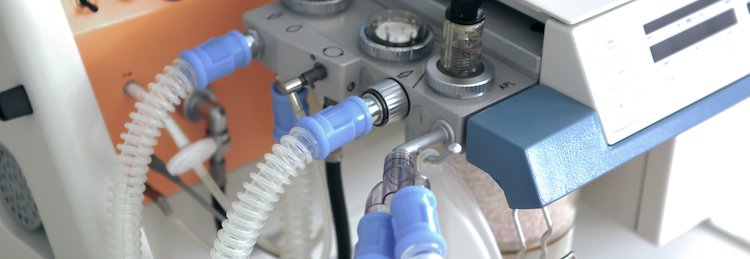
The FDA reacted quickly when the coronavirus reached the United States.
In a matter of weeks, the agency issued emergency testing methods and allowed certain types of machines to be used as ventilators. It also approved a new ventilator-splitting device that allows one ventilator to be used by multiple patients to address shortages.
Topics: COVID-19

It’s difficult to say if the clinical research world will return to “normal” once sites have opened their doors to patients, monitors and sponsors again.
Given the circumstances of these unprecedented times, there are bound to be challenges sites will face when the dust settles. However, there may also be new opportunities and alternative ways of conducting study procedures that were once thought to be the “standard”.
Topics: COVID-19

The first diagnostic test for at-home patient collection to detect COVID-19 was provided
Topics: COVID-19, Diagnostic Testing

Using 3D printing for medical devices is becoming more common amid the COVID-19 pandemic, as demand for critical personal protective equipment (PPE) continues to outpace supply.
Topics: medical device trends

Remote monitoring has been encouraged since 2011, but due to COVID-19, we are seeing remote monitoring of clinical trials being utilized more frequently.
The technology to allow for remote monitoring visits has grown significantly in the past few years. These technologies can include electronic Trial Master Files (TMF), Institutional Review Board (IRB) portals, remote access to the electronic medical records (EMR), and even secure source document sharing systems.
With these technologies, monitors can gain access remotely to the same information they would be provided if they were on site. However, you might be wondering if remote monitoring has any disadvantages, particularly when it comes to FDA inspections.
Topics: Monitoring

3D printing, which is also known as additive manufacturing, involves a process in which two-dimensional layers of raw material are joined sequentially to build a rapidly constructed three-dimensional object.
The design and production of products using 3D printing have resulted in reduced material waste, conserved energy, and decreased time to bring products to the market. The capability of 3D printing can provide designers and manufacturers the flexibility of modifying a structural design without needing to alter machinery or tools in a manufacturing process. Such technological advancements have increased the use of 3D printing in the medical device industry.
Topics: Medical Devices, 3-D Printing

The FDA finalized and released their new Guidance For Industry for the 510(k) Third Party Review Program on March 12.
FDA’s Third Party 510(k) (3P510k) Review Program, formerly known as the Accredited Persons Program, allows device manufacturers to submit 510(k) applications for eligible devices to a Third Party Reviewer, who uses FDA criteria to evaluate the submission. Per the FDA, about 50% of the 510(k) submissions the agency receives are eligible for the Third Party Review Program.
Topics: FDA Approval

As many of us can agree, Clinical Research Coordinators (CRC) strongly help shape the success
As clinical trial sites and sponsors consider alternative approaches to conducting research during the coronavirus pandemic, the FDA recommends using electronic consent (e-consent) when possible.
Topics: COVID-19

While many clinical researchers have been doing their best to keep trials moving forward remotely amid the coronavirus pandemic, everyone is eager for their sites to reopen.
Topics: COVID-19

With the aim to contain and mitigate rapid spread, the global pandemic of the novel
Topics: COVID-19, Fraudulent Products
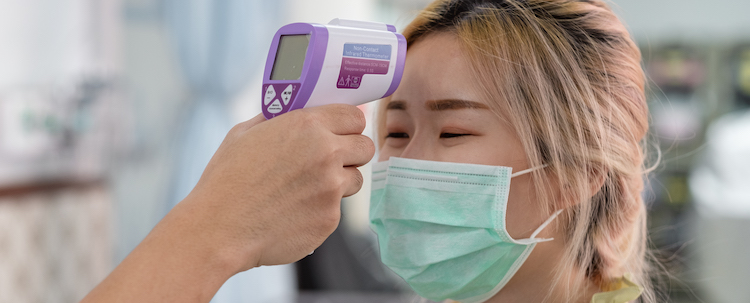
Determining when to report COVID-19 activities to the Investigational Review Board (IRB) can be a challenge.
The Office for Human Research Protection (OHRP) recently released guidance to answer how the Health and Human Services human subjects protection regulations (45 CFR 46) apply to actions taken by institutions and investigators in response to the Coronavirus (COVID-19) pandemic.
Here are a few common questions to consider.
Topics: COVID-19

While there is an exponential amount of information that can be included within a clinical
Topics: clinical trial, Clinical Research Protocol

The novel coronavirus (COVID-19) has brought about many challenges for clinical trial study sites and subjects.
Because of these challenges, sites may encounter difficulties in obtaining informed consent, maintaining subject safety and adhering to protocol-mandated visits or follow-up procedures.
Topics: Informed Consent, COVID-19
Since there are currently no FDA approved or cleared diagnostic tests to detect SARS-CoV-2,
Topics: FDA, Pandemic, Diagnostic Testing

The coronavirus pandemic has many researchers considering the possibility of conducting a remote clinical trial—or at least conducting some activities remotely.
Topics: COVID-19

The Right to Try Act (RTT) was signed into law on 30 March 2018. Since conception, the bill has been controversial and the focus of debate. The bill was introduced in order to help terminally ill patients access investigational treatments which may help them. The FDA already had a process to provide patients with immediate life threatening diseases or conditions with access to investigational medical products; this process is called Expanded Access or “compassionate use.” Supporters of RTT Act argue this pathway (Expanded Access) is difficult to navigate and many patients pass away before being able to receive access; thus, defeating the purpose of providing a pathway to access investigational treatments at all. One main difference between Expanded Access and the RTT is that under the RTT, FDA approval is not needed which usually speeds up the process.
Topics: The Right to Try Act, RTT Act

In a landmark move insulin, along with other biologic drugs transitioned to the biologics regulatory pathway as of March 23rd. This transition is groundbreaking for millions of Americans as incidence of diabetes increases and accessibility to affordable insulin has become a matter of life and death.

Your standard operating procedures (SOPs) provide the framework for a well-controlled, compliant clinical trial.
These procedures are so fundamental, you may not have given them a second thought during busier times. Now, with many site activities stalled, your team members are looking for ways to stay productive. There’s no time like the present to revisit your SOPs to ensure they are up to date. Here are a few things to consider as you do.
Topics: Standard Operating Procedures, COVID-19

Last month, the Department of Health and Human Services estimated that the United States only had about 1% of the N95 respirators that would be required for medical professionals during the COVID-19 pandemic.
The Assistant Secretary for Preparedness and Response, Dr. Robert Kadlec, while testifying before the Senate Committee on Health Education, Labor and Pensions, noted that “if it were to be a severe event, we would need 3.5 billion N95 respirator masks. We have about 35 million.” As hospitals across the country are struggling to obtain the appropriate personal protective equipment (PPE) for their providers, we are going to take a look into the FDA’s role in the regulation of these devices and the latest steps they have taken to increase the available supply during this pandemic.
Topics: FDA Regulations, COVID-19

As a sponsor, you’ve probably had multiple meetings to determine next steps for your clinical trial during the COVID-19 pandemic following the FDA guidance released in March. Do you still feel stumped on how to proceed?
The FDA added an appendix with frequently asked questions and answers on its previously released guidance document on Conduct of Clinical Trials of Medical Products during COVID-19 Pandemic.
Topics: COVID-19

The new coronavirus might be the tipping point for remote clinical trial monitoring, but technology has been taking us in this direction for a while.
This post will discuss trends in remote monitoring, how to support your research team from a distance and the benefits of using a contract research organization (CRO) to conduct remote monitoring.
Topics: COVID-19
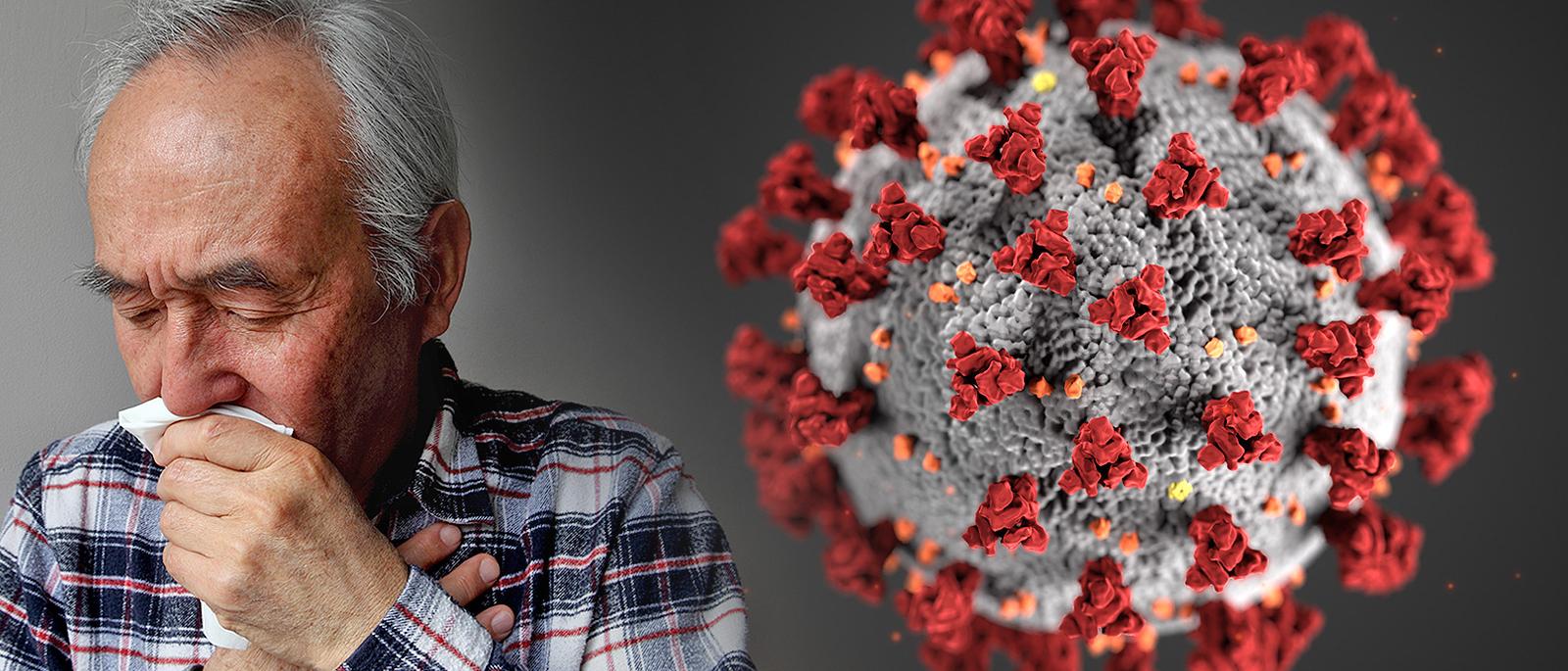
It has been recognized by the FDA that Coronavirus Disease 2019 (COVID-19) pandemic may impact clinical trials for drugs, medical devices, and biologics. Site closure, quarantines, and travel limitations are just some of the prevention factors that may make it problematic to conduct clinical trials. Alternative approaches and considerations are needed at this time in order to assure the safety of trial patients, good clinical practice, data integrity, and minimize risk.
Topics: Clinical Trials, The Coronavirus, COVID-19

Budgeting for a clinical trial is challenging. Clinical trial sponsors do their best to anticipate every dollar they will need, but there are always unforeseen costs that emerge.
It’s better to be prepared for the unexpected than surprised by it later. An experienced clinical research organization (CRO) like ours has been through many clinical trials before, so they know what to expect and where teams most often encounter unforeseen costs.
Here are the four most significant areas where costs can add up.
Topics: Choosing a CRO
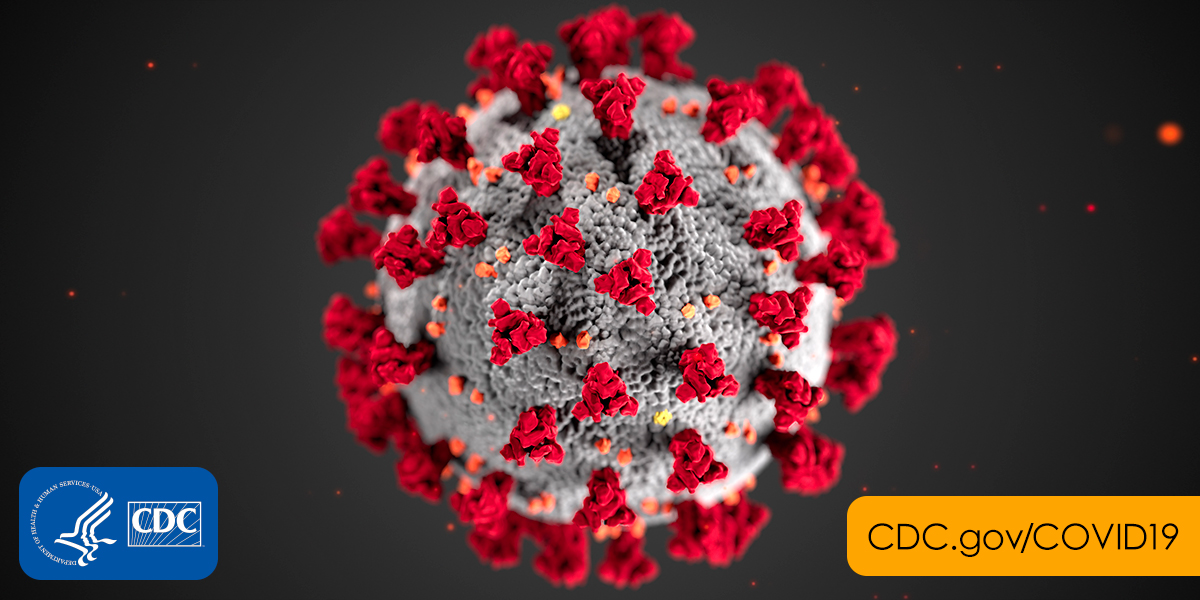
With the uncertainty of the coronavirus (COVID-19), the impact of this global health issue remains to be seen. Recently, the FDA issued a news release indicating that together with help from the centers for disease control (CDC), they are trying to make more respirators available for health care personnel. The CDC requested emergency use authorization (EUA) which would allow the use of certain industrial respirators in the healthcare setting. These normally would not be approved for use in the clinical setting; however, the FDA stated that “…they may be effective in preventing health care personnel for airborne exposure, including the COVID-19.” As more cases continue to develop locally as well as abroad, more directives and urgent measures may occur.
Topics: Clinical Research, The Coronavirus, COVID-19

The Food and Drug Administration (FDA) proposed a conditional progressive approval pathway for medical devices in April 2019. The proposal has met resistance by lawmakers and there are still unanswered questions.
Topics: Medical Devices, FDA Approval Pathway

A well-controlled clinical trial is much like a well-controlled experiment: They are both rooted in the cornerstone of the scientific method.
Fortunately for sponsors and their research teams, the FDA gives explicit guidance on what it means to run an adequate and well-controlled clinical trial in 21 CFR 314.126.
Let's take a closer look.
Topics: 21 CFR 314.126, FDA, Clinical Research

Last week, the FDA and Federal Trade Commission (FTC) released a joint statement promoting collaboration to improve the marketplace for biological products, highlighting the necessity of incorporating biosimilars and interchangeable products and deterring anti-competitive behavior. Biological products are defined by FDA as “a diverse category of products…may be produced through biotechnology in a living system, such as a microorganism, plant cell, or animal cell, and are often more difficult to characterize than small molecule drugs.”
Topics: FDA, Federal Trade Commission, Biosimilars, Biologics

Clinical monitoring is the foundation for IMARC's services and a critical part of ensuring compliance. It's so fundamental, in fact, that sometimes it's easy to overlook the basics.
In this post, we'll take a closer look at what monitoring entails and five steps you can take to ensure success.
Topics: FDA, Clinical Trial Monitoring

To stay on the leading edge of innovation, today’s medical device manufacturers need to stay up to date on the latest trends and technologies.
Topics: Medical Devices

Recently, a news article in the New York Times highlighted some of the new and innovative ways that tech companies are moving into the health care market. Tech companies like Apple, Google, and Microsoft have already begun to explore this market with a variety of different platforms. Apple is utilizing and creating research apps while acquiring several health startup companies, including Tueo Health, Gliimpse and many others. One study Apple is currently conducting is exploring if there is an early way to identify heart health issues in relation to exercise at Brigham and Women’s Hospital in Boston, Massachusetts. They are doing this with the help of wearable technology that captures and details heart rate with physical activity. Microsoft is focusing on voice recognition software within hospitals to allow for more focused and direct patient care. Google is also looking to explore this market, specifically focusing on compiling patient data to help improve care by a multitude of different approaches. One thing all these companies are looking to achieve is to see if there are better ways to predict, treat, and analyze medical conditions.
Topics: Clinical Research, Technology, Data Collection

As you look ahead to an upcoming clinical trial or evaluate the progress of your current one, you might be wondering if it’s time to ask for help.
Topics: Medical Devices CRO
-1.jpg)
In a previous blog post, revisions to the Common Rule were to be implemented January 19, 2018; however, due to a Notice of Proposed Rulemaking (NPRM), the compliance date was delayed until January 21, 2019.

There are many things to consider when implementing a clinical research training program for your staff.
While there are no standard requirements for training, guidelines outlined in the International Conference on Harmonisation (ICH) and the US Code of Federal Regulations state that all monitors should be appropriately trained and have the scientific and/or clinical knowledge to monitor the trial adequately. Your team likely has individuals in several locations with a wide range of experience, which can make it difficult to find something that works for everyone.
Topics: IMARC University, Clinical Training
Does the thought of a BIMO inspection make you break into a cold sweat?
It’s worth remembering that although BIMO FDA inspections might feel like a pop quiz, this is one test the FDA wants you to pass. That’s why the FDA provides detailed guidance on what its investigators will review, similar to a study guide.
To prepare your site to pass, take time to review our BIMO FDA inspection cheat sheet.
Topics: BIMO FDA Inspection
The Bioresearch Monitoring (BIMO) FDA inspections are an important part of the preapproval process, designed to assure the quality and integrity of study data and adequate protection of the rights and welfare of human subjects. While a BIMO inspection may feel like a pop quiz, the FDA’s goal isn’t for sponsors to fail, but to equip them to pass. By taking a proactive approach to training and preparing, study sponsors can help their site coordinators greet inspectors with confidence. Here’s a quick refresher on BIMO FDA inspections and three steps sponsors can take to prepare.
Topics: BIMO FDA Inspection

No matter where you land on the clinical research spectrum, chances are you have encountered some challenges with interpreting and/or implementing Good Clinical Practice (GCP) guidelines. With so many trial designs and research settings, it can be difficult to know how to appropriately apply GCP and even more difficult at times to get answers.
To help with your search, the FDA has created a page that provides copies of e-mail messages (the original inquiry and associated reply(ies)) that have been submitted by the public to the Good Clinical Practice Program’s [email protected] e-mail account. Inquiries range from 2013 to 2018 and are categorized by the following inquiry subjects:
Topics: Good Clinical Practice, GCP, FDA

Traditionally, a clinical research coordinator works on site during a clinical trial, gathering and synthesizing information, organizing data and managing processes. However, the need for research coordinators may be outpacing availability at many research sites. There is a growing need for research that includes global populations and studies that explore devices after they’re released, in addition to the research required before devices receive approval.
Topics: remote research coordinators


We speak with a number of sponsors who are seeking support from a contract research organization (CRO) to help them with their medical device clinical trial. Often these sponsors are also talking with larger CROs, because they feel they can meet their needs better, having the depth and expertise to help them with their global clinical trial.
There are often many reasons sponsors gravitate to larger CROs. It can be name recognition, strong therapeutic experience, a global footprint or many other factors. But bigger isn’t necessarily better.
Topics: Medical Device CRO
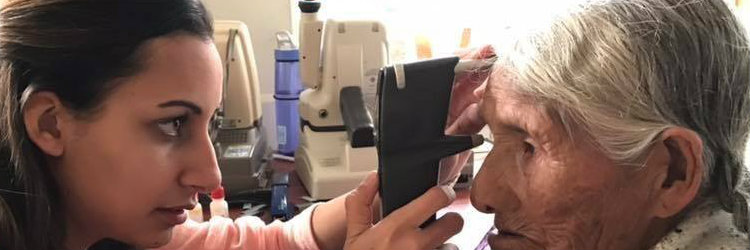
In September of 2019 revisions of the Guidance for Industry and Food and Drug Administration (FDA) Staff: Humanitarian Use Device (HUD) Designations and the Guidance for Industry and FDA Staff: Humanitarian Device Exemption (HDE) Program were released. These guidelines were designed to assist the applicants in preparing their submissions of a HUD and HDE, in addition to the FDA reviewers in their evaluation and analysis. While new revisions of the guidelines were released, applicants should still be encouraged to follow the FDA regulations 21 CFR 814, Subpart H – Humanitarian Use Devices when submitting for HUD and/or HDE approval.
Topics: Humanitarian Device Exemption, HDE, Humanitarian Use Device, HUD


The United States has asked the European Union to push back the compliance deadline for the new EU MDR requirements by three years, citing concerns that the world will lose access to the EU’s $125 million medical device market.
Topics: EU Device Regulations, MDRs

Medical devices are part of a multi-billion dollar industry that continues to rapidly grow due to technological advances. As a consequence, medical devices have been a hot topic in the mainstream media with coverage in the documentary “The Bleeding Edge” on Netflix and a piece by John Oliver on HBO’s “Last Week Tonight”. In these pieces, the shortcomings of the medical device regulation process in the United States are the focus. And this has sparked some great discussion among medical device clinical professionals and the public alike. However, understanding the medical device regulation process is paramount in order to strive for continuous improvement, updated regulations, and being informed both as a clinical professional and as a patient.
Topics: FDA, Medical Device Classifications

Data integrity is a fundamental requirement of medical research and laboratory experimentation. All studies should be conducted according to the protocol guidelines and documented accurately and completely even if the data disproves or challenges the posted hypothesis. As researchers, it is our responsibility to make sure the study is conducted ethically and honestly. The results of the study are used to justify the effectiveness of a procedure, medical device or pharmaceutical. The goal is to improve the overall health and welfare of humans. Lack of data integrity could prove to be a disaster as something originally thought to be safe could cause unexpected pain or death.
Topics: Good Clinical Practice, The FAIR Shake, Data Integrity
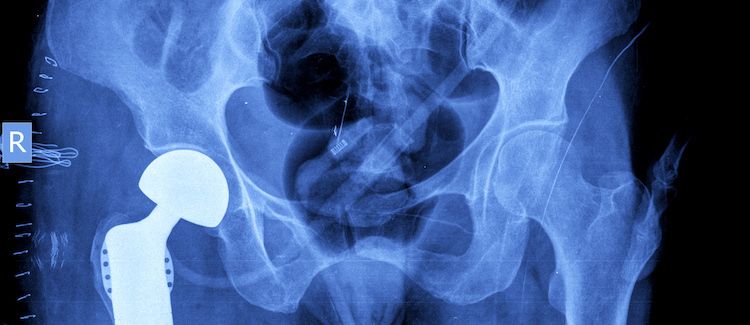

The Poly Implant Prothese (PIP) Breast Implant Scandal is one of the most significant patient protection failures in the history of clinical research.
As traumatic as it was for the patients involved, it has also been credited in part for triggering significant regulatory changes in the European Union—including the new EU MDR requirements.
Here's a look back at what happened and how the regulatory landscape in Europe has changed as a result.
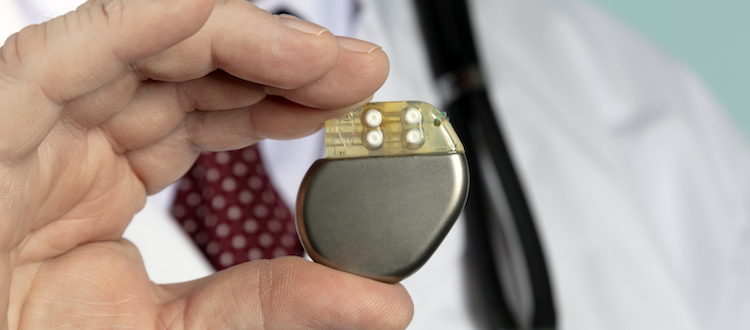
The new EU Medical Device Regulation (MDR) and the In vitro Device Regulation (IVDR) are expected to have a far-reaching impact for device manufacturers doing business in Europe.
Topics: EU Regulatory System
On July 31, 2019 the Association of Clinical Research Professionals (ACRP) will be hosting a webinar titled, “Adverse Event Reporting in Medical Device Studies: Managing/Assessing Events and Maintaining Compliance”. Michael Marotta and Bradley Lieberman from IMARC Research, Inc. will be the speakers.
Topics: IMARC Research, ACRP, Webinar, AE Reporting

My motivations for going to professional conferences usually revolve around staying abreast of new information relevant to my field, networking with others, and earning CEUs. I’ve never gone to a professional conference expecting to be emotionally moved in a giant way, but that’s exactly what happened at an ACRP meeting about 10 years ago when I attended the keynote address given by Eva Mozes Kor, one of the “Mengele Twins” on whom horrific medical experiments were conducted at the Aushwitz concentration camp during WWII. I vividly recall Kor’s strength as she marched us all through her experiences which started when she was only 10 years old. Only 10 years old. Let that sink in.
Topics: History of Clinical Research, Eva Mozes Kor, Mengele Twins
Each year, the FDA publishes its Bioresearch Monitoring (BIMO) metric findings to provide insight on audit trends and significant violations. The BIMO program’s inspectional data includes Clinical Investigative Sites, Institutional Review Boards (IRBs), Sponsors/Monitors, Contract Research Organizations CROs), Bioequivalence, and Good Laboratory Practice Audits.
Topics: BIMO Metrics, FDA Warning Letters

=As we have done in past years, IMARC examined the warning letters posted on the FDA’s website to compile the top findings from BIMO inspections. This year, we are reflecting on the top findings of previous years and discussing trends seen in 2018.
Topics: FDA Warning Letters, BIMO Program, FDA Inspections

Although there are no formal requirements for clinical research training, it's an important step to conducting studies in accordance with federal regulations.
Everyone involved in a clinical trial—from the sponsor and principal investigator to research coordinators and monitors—must have a fundamental understanding of these regulations so they can address concerns that will inevitably arise during the study.
To guide researchers through the complex maze of regulations, IMARC developed clinical research training known as The FAIR Shake™ program.
Here's a closer look at what's covered in The FAIR Shake and how to apply it to your next trial.
There is no way to foreshadow a successful outcome of a clinical research trial; however, utilizing FDA guidance and recognizing common causes of an “off-track” study may help with early identification and correction of any necessary study clean-up.
Topics: FDA, Study Clean-up

Biomarker testing for cancer assists with early detection and helps physicians monitor treatment.
Recent advances in this area—including liquid biopsies and breath tests—could lead to faster, less invasive cancer screening, as well as more personalized and precise treatment.
Here are a few of the most promising developments.
Topics: medical device trends

On April 11, 2019 a memo was released from the Office of Management and Budget (OMB) stating that United States agencies, which include the Food and Drug Administration, rules and guidances must go to the OMB’s Office of Information and Regulatory Affairs for review beginning on May 11, 2019.
The OMB will be reviewing the agencies regulations and guidances to determine whether they are classified as “minor” or “major”. Previously, each agency was responsible for determining on its own whether the proposed new rule should be classified as major based on reviewing the CRA criteria, which is listed below.
Topics: FDA, Office of Management and Budget

Since the FDA approved the first robotic surgery system in 2000, robotic surgery has been extending its reach to a variety of specialty areas, including orthopedics.
Five of the world’s 10 largest orthopedic device companies have introduced or acquired robot-assisted surgical platforms within the past year. These systems show great promise to increase precision, reduce recovery time and reduce readmissions.
However, they also raise some important concerns.
Here’s a closer look at how robotic surgery is being used in orthopedics, its outcomes so far and the regulatory outlook.
Topics: medical device trends

A new wound care device can help patients heal faster by detecting potentially harmful bacteria in wounds, allowing for more targeted treatment.
The MolecuLight i:X is a noninvasive, handheld fluorescent imaging device that emits a violet light, illuminating bacteria not visible to the naked eye.
This can improve wound care at every stage, from assessment and cleaning to debridement and treatment.
Here’s a closer look at how it works and why it represents a significant advancement in wound care.
Topics: Wound Care