
During a training module this week, a group of monitors were discussing the importance of back-up coverage. Monitors that are conducting visits in the field know that juggling schedules can be very challenging. To provide thorough and consistent monitoring, experienced monitors are assigned to a clinical trial or a study team. Next, training is extended into the therapeutic area of research and sponsor specific trainings including SOPs and monitoring plans. But what about back-up coordinators- are they trained and ready?
Read More
As monitors, we spend a decent amount of time preparing for the visit – before we even head out the door. On the road, we’ve noticed that the most effective coordinators tend to be those who also prepare for the visit. Spending an extra hour or two before the visit can decrease the amount of queries, follow-up items and even the length of the visit itself. Before your next monitoring visit, consider asking yourself these five questions:
Read More

We’re often asked- What makes a good monitor? What’s involved in the day-to-day of being a CRA? Well, it’s no secret that a good monitor often wears and juggles many hats; from reporter, to auditor, to traveler. And like many with this New Year quickly unfolding there are some resolutions from those that live out the day-to-day of clinical research monitoring:
Read More

When the words “Clinical Research Trial” are heard, many questions may come to one’s mind. What is being tested? What is involved? Where will it be taking place? Who came up with the trial? Who is paying for it? What doctors are participating? Many of these answers for an Investigational Device (IDE) clinical research trial can be found on ClinicalTrals.gov.
Read More

While procedures, checklists, guidance documents, report templates and all sorts of other things combine to form the infrastructure for monitoring, what is possibly even more important is the shared mindset. The acceptance by all that regardless of the title, there is a shared responsibility in calling out issues, in looking purposefully at this document, in questioning that blank.
Read More

All of us in the clinical research world know just how important it is to properly document and report adverse events that occur during clinical trials. The regulations for doing so vary slightly depending on whether a drug or device is being studied, but the general principle is the same. Unfortunately, history is full of examples of ill effects suffered by human subjects exposed to drugs or devices that are being tested – most times these adverse events are unexpected by those conducting the study. It’s actually one of the two pillars of why any study is conducted at all: safety and effectiveness. At current day, reviewing the adverse events that occur during a trial is the primary method of ensuring subject safety. Investigators who agree to conduct research justly and ethically are legally bound to discontinue an investigation if it becomes know that the object under investigation presents a serious adverse event that was not previously known or expected (21 CFR 312.56(d) and 21 CFR 812.46(b)(2)). The Declaration of Helsinki drives this concept home when it states “the subject’s welfare must always take precedence over the interests of science and society.”
Read More

While procedures, checklists, guidance documents, report templates and all sorts of other things combine to form the infrastructure for monitoring, what is possibly even more important is the shared mindset. The acceptance by all that regardless of the title, there is a shared responsibility in calling out issues, in looking purposefully at this document, in questioning that blank.
Read More
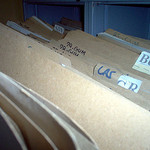
In general, most hospitals and clinics use electronic medical records (EMR), or a mix of electronic and paper medical records. Often paper records are scanned into the EMR in order to house all records for a particular patient in one location.
Read More
IMARC Monitors sometimes have a challenging job; they are often on the road, trying to balance work and home life. They juggle multiple studies from different Sponsors, have many relationships to maintain, sites to visit, and reports to write. At IMARC we want to always provide the very best monitoring services we can. In order to do that we must have great monitors on staff, so, what makes a great Monitor?
Read More

IMARC monitors are all over North America on a weekly basis traveling to a wide range of sites from the small community hospital to the large medical center that also serves as a teaching institution. What makes a periodic monitoring visit a Good Visit? To those in the medical field, they may determine a good visit by the notability or prestigiousness of the facility itself. To the general population in the outside world, they may say - destination. After all, who wouldn’t want to be monitoring at the site next to the sunny, beautiful beach in southern Florida versus next to the corn field out in no man’s land? If you ask an insider, a monitor, the response would sound something like- “That visit was great. The research coordinator – she (he) was a ROCK STAR!”
Read More