Topics: Research Coordinator, IMARC Research, Site Compliance, Training




It is a common question that follows an informed consent document revision- does the subject need to re-sign? The answer could be yes or no depending on the type of revision that was made to the document.
Topics: Informed Consent, IMARC Research, FAIR Shake, Clinical Monitoring

Medical device sponsors, according to 21 CFR 812.40 and 812.46, are responsible for monitoring clinical trials. The regulations require that sponsors monitor a trial at a site by ensuring that an investigator is compliant with the federal regulations, agreements with the sponsor, the investigational plan, and the requirements set forth in the approval of the study by the IRB. It is also the responsibility of the sponsor, according to 21 CFR 812.43(d) to select monitors qualified by training and experience to monitor a study in accordance with 812 and other applicable FDA regulations. Sponsors may also appoint other individuals and groups to ensure compliance and proper clinical trial monitoring as well as evaluate the accumulating outcome data. The FDA guidance, The Establishment and Operation of Clinical Trial Data Monitoring Committees for Clinical Trial Sponsors, defines a Data Monitoring Committee (DMC), also known as Data Safety Monitoring Boards (DSMBs) or Data and Safety Monitoring Committees (DSMCs), as a group of individuals with pertinent expertise that reviews, on a regular basis, data from one or more ongoing clinical trials. Additionally,
Topics: FDA Regulations, CEC, DSMB

On June 13, 2013, the Supreme Court ruled that isolated genes occurring naturally in the human body can not be patented. As commented by NIH Director, Francis Collins, MD, PhD, this is a win for those awaiting more gene-based approaches to medical care and innovation. He goes on to note that this allows for patients to benefit from the rapidly growing area of personalized medicine; opening the door for tailored approaches to the diagnostics, treatment and preventative strategies. In the case reviewed by the Supreme Court, Myriad Genetics acquired patents on two genes that are strongly correlated with breast and ovarian cancer. As a result, the cost of testing for those genes has been pushed to a cost too expensive for many middle- and low-income women to learn if they were at risk for these cancers. It is clear that the patients will be the first to benefit from this ruling, but is there anyone else that can count this as a win?
Topics: Supreme Court, Gene Patenting, Biotech

As monitors we spend a significant amount of time reviewing the Investigator File and the essential documents filed with in it at a site visit. There are many things we look for; here are just a few:
Topics: Essential Documents, Wet Ink Version, Investigator File

Americans are well aware of the ever growing potential of a cyber attack on our credit cards, bank and email accounts, even our social media outlets. But cyber attacks on medical devices? Is this a real threat?
Topics: FDA, Medical Devices, Cyber Attacks, The Department of Veterans Affairs

For those involved in clinical research, whether it is at the site, sponsor, or CRO level, it can be easy to get caught up in the day to day rigor of collecting data; resolving action items all while juggling study staff schedules and fielding patient phone calls. It is Grayson Clamp that reminds us why we as clinical researchers in the medical device industry do what we do.
Topics: Cochlear Nerves, Hearing, Grayson Clamp, Clinical Research
While procedures, checklists, guidance documents, report templates and all sorts of other things combine to form the infrastructure for monitoring, what is possibly even more important is the shared mindset. The acceptance by all that regardless of the title, there is a shared responsibility in calling out issues, in looking purposefully at this document, in questioning that blank.
Topics: IMARC Research, Whitepaper, Clinical Monitoring

As monitors, we spend a decent amount of time preparing for the visit – before we even head out the door. On the road, we’ve noticed that the most effective coordinators tend to be those who also prepare for the visit. Spending an extra hour or two before the visit can decrease the amount of queries, follow-up items and even the length of the visit itself. Before your next monitoring visit, consider asking yourself these five questions:
Topics: Coordinators, Clinical Monitoring, Meeting Preparation
Investigational plans, or protocols, are developed with what authors believe are clear inclusion and exclusion criteria that must be confirmed prior to the initiation of any investigational treatment or test. There are certain inclusion criteria that are common including an age range, willingness to provide consent and adhere to the study schedule, and particular condition or diagnosis. Common exclusion criteria include a past medical diagnosis, excluded treatments or medications, or family history of a certain disease. According to 21 CRF 812.110 (b), it is the investigator’s responsibility to conduct the trial according to the investigational plan and therefore, adequately review medical history, interview the subject, and obtain labs or imaging to confirm that all inclusion and no exclusion criteria are met.
Topics: Inclusion Criteria, Exclusion Criteria, 21 CRF 812.110 (b)
Deviations from the protocol, or non-compliances, are inevitable across a multi-centered study. Some deviations can be prevented by the investigational site study staff, such as in exclusionary criteria noted in the medical history. Other deviations, such as missed visits due to the subject’s schedule, can not be avoided. According to 21 CFR 812.46(a), it is the responsibility of the sponsor to ensure that the selected investigators are compliant with any conditions of approval of the reviewing IRB. The investigator, according to 21 CRF 812.110 (b), is responsible for conducting the trial in compliance with the conditions of approval of the reviewing IRB. Additionally, investigators are responsible for maintaining records relating to deviations, including dates of and reasons for, according to 21 CFR 812.140(a)(4).
Topics: Clinical Monitoring, Protocol Deviations, IRB Policies

During a training module this week, a group of monitors were discussing the importance of back-up coverage. Monitors that are conducting visits in the field know that juggling schedules can be very challenging. To provide thorough and consistent monitoring, experienced monitors are assigned to a clinical trial or a study team. Next, training is extended into the therapeutic area of research and sponsor specific trainings including SOPs and monitoring plans. But what about back-up coordinators - are they trained and ready?
Topics: Clinical Research, Research Coordinators, Clinical Monitors
Recently, a team of IMARC monitors traveled to a sponsor’s clinical research headquarters to meet face-to-face, study team to study team, to kick off a new medical device study. The two teams joined together with a heavy agenda to get the study’s ducks in a row prior to our monitors hitting the road for the on-site initiation visits scheduled in the upcoming weeks. While this is not always the case at study start-up, with tight timelines and limited budgets, there are many advantages to getting the teams together at the beginning of the study to help prepare for a successful study. Additionally, the teams can process through potential study challenges before they become potentially larger issues. Read on to learn five reasons why the sponsor should meet with and include the CRO in study start up!
Topics: Clinical Monitoring, Study Start-up, Medical Devices
IMARC clinical monitors are constantly on the go monitoring in the field, from California to Connecticut, Vancouver to Miami. The monitors are no strangers to airport security lanes and the Transportation Security Administration agents (TSA). Some may even creatively compare monitors to TSA agents. Both groups of people are required to be familiar with federal regulations. The regulations exist to allow for monitors and TSA agents to execute their primary role; ensuring safety. Monitors ensure the safety of subjects in clinical trials and ensure compliance to 21 CFR 812 (device) or 21 CFR 312 (drug). TSA agents ensure safety of travelers and flight staff as well as ensure compliance with FAA regulations.
Topics: 21 CFR 812, FAIR Shake, Clinical Monitoring
The Entrepreneurs-in-Residence Program (EIR), a program at the Center for Devices and Radiological Health (CDRH), brings entrepreneurs, innovators, and government employees to combine the principles of lean engineering in rapidly testing, validating and scaling new approaches to the development in areas that impact innovation with the goal of delivering transformational change. This change, specifically in the medical device arena of public heath, would provide patients in the U.S. to high-quality, safe, and effective devices quicker.
Topics: Center for Devices and Radiological Health, Entrepreneurs-in-Residence Program, Clinical Research

The third meeting of the International Medical Device Regulators Forum (IMDRF), held in France last month, tackled an aggressive agenda to strengthen its role in setting global device policies and added regulators from China for the first time since its inception in October 2011.
Topics: World Health Organization, China, International Medical Device Regulators
Recently launched, aptitude's online marketplace main goal is to connect medical device suppliers with device purchasers. In an article posted on MassDevice.com, aptitude’s Vice President and General Manager described it as being, “like eBay, which provides a marketplace where buyers and sellers can come together."
Topics: Online Marketplace, appitude LLC, Medical Devices
The area of combination products is an exciting expanse of potential innovation and discovery for both the medical device and drug industries. However, there are many unique aspects that must be considered when dealing with combination products.
Topics: MD+DI, Combination Products, Office of Combination Products
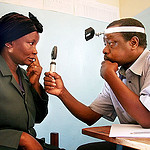
Regardless if you are reading this from a sponsor, site, monitor or IRB perspective, we have all worked on a protocol with a medical test that really seems unnecessary or obsolete, not to mention, difficult to obtain with in the time window specified by the protocol.
Topics: Medical Devices, Protocol Development, Medical Tests

This week is FDA Warning Letter Week at IMARC! Did you check out the first blog in a series of 4 titled Differences and similarities between FDA Warning Letters and Form 483s? Next learn the Top 10 “Do NOT” tips when responding to an FDA Warning Letter or Form 483:
Topics: FDA Warning Letters, Form 483, FDA Responses

Following the release of the 2011 draft Guidance for Industry Oversight of Clinical Investigations-A Risk-Based Approach to Monitoring, sponsors are looking for more ways to implement this approach that will mutually benefit the sites and sponsors without jeopardizing the safety of the subjects and the quality of the data. One suggestion that has been noted in the field leans toward hospitals allowing monitors access to electronic medical records (EMR) to monitor remotely.
Topics: Risk-Based Monitoring, EMR Access, Hospitals

Concerned about your cholesterol? Trying to track your ovulation and hoping to get pregnant? Want to drug test your teenager? There are at home use tests for these questions and more. For around $20.00 dollars you can avoid long doctor’s office waits, submitting claims to the insurance company and discussing potentially embarrassing topics with your primary care physician. But, are these home use tests consider medical devices and therefore subject to the same rigor of clinical trials to confirm accuracy and safety?
Topics: FDA, Medical Devices, Home Use Tests

We live in a wireless world; wireless headphones, wireless speakers, wireless ear buds, wireless cable TV, wireless phones and printers. There are many obvious advantages to the wireless world we’ve all become accustom to, and many more wireless advances are surely around the corner… like our brains?
Topics: NIH, Wireless Medical Device, Braingate