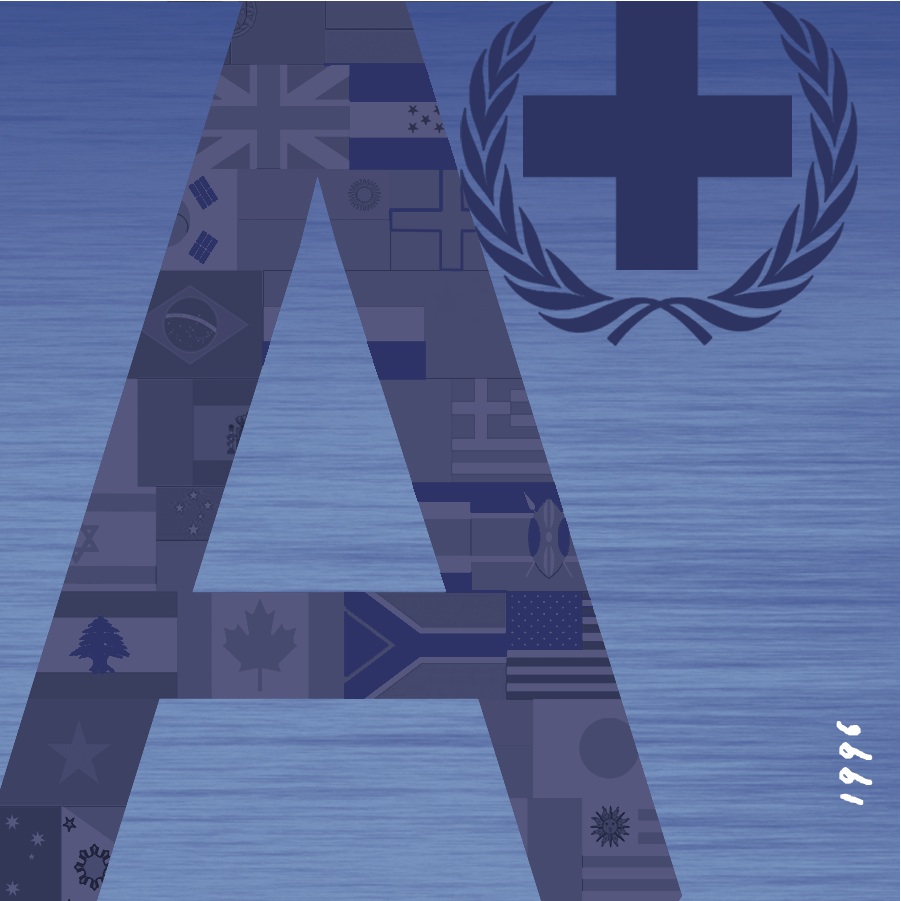

You may be familiar with IMARC Research’s History of Clinical Research (HCR). We recently released an eBook about it that briefly describes all of the images that currently make up the timeline. If you have visited our office, you may have also been given a guided tour of one of our most renowned resources. Due to the overwhelmingly positive
Back in the early 1960’s, public perception of clinical research began to take a turn as talks and frightful images of the Thalidomide tragedy gained national news. In this case, Congress managed to pass new legislation to attempt to mitigate the issue (the Kefauver-Harris Amendment, respectively), but who couldn’t be left wondering “What’s the next terrible course of events that will happen?”
Realizing there was a major concern over the safety of investigational drugs and the clinical research process, the World Health Organization (WHO) saw an opportunity. They created a Scientific Group in 1968 to review and create principles and guidelines to correctly evaluate drug products. Years later, the end result was a 1995 publication of Good Clinical Practice (GCP); a comprehensive guideline for designing, conducting, recording and reporting clinical research that still has applications today. One year later, in 1996, some of the same experts that created WHO-GCP, then published the International Conference on Harmonization (ICH)-GCP, the same tool in use for human clinical trials today. This tool can be implemented in any type of clinical trial, from drugs or biologics to device trials.
The utilization of good clinical practice is the cornerstone
The goal of the WHO-GCP was to be more of an informative tool for less experienced users, including regulatory agencies in countries where no other guidance was issued. The WHO-GCP being the first of its kind aimed to serve as a reference for regulatory authorities, sponsors, investigators and ethics committees in implementing good clinical practice standards in clinical research, thereby providing validation to research safety practices and data integrity. Both the ICH-GCP and WHO-GCP address:
- Justification for a clinical trial and protocol
- Protection of trial subjects
- Responsibilities of investigators,
sponsors and monitors - Assurance of data integrity and product accountability
- The roles and responsibilities of regulatory authorities during the course of a clinical trial
These elements are crucial to a clinical trial and had they not been outlined as they were in this historical document, drug and device development would have had difficulty advancing. The ICH-GCP has stood the test of time, and for the first time
IMARC monitors routinely incorporate GCP into their everyday practice as they work with sponsors, sites and study personnel. Additionally, IMARC teaches GCP formally through IMARC University where monitors, investigators, and research coordinators from all levels of experience can gain field knowledge and expertise.
Please share your thoughts on how you incorporate GCP in your everyday practice.