


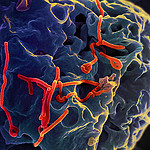
In March of 2014, we wrote about Compassionate use in Unapproved Medical Devices. To briefly summarize, compassionate use refers to the use of an unapproved device or drug in a single patient or small group where the condition of the patient/group is serious and there is no alternative treatment. The FDA can use regulatory discretion to determine if an investigational drug/device can be used and FDA approval is required prior to use. This clause has come under the spotlight recently with the treatment of two American health care workers and a Spanish priest with an experimental drug, ZMapp, developed by the pharmaceutical company MAPP Pharmaceuticals. ZMapp is a serum-based drug that previously had not been clinically tested in humans. It represents a number of drugs and vaccines that are currently being developed to combat Ebola, a single-stranded RNA virus that is highly pathogenic with a fatality rate of up to 90%. According to the World Health Organization, as of 16 August 2014 there have been 2240 reported cases and 1229 deaths from this disease spanning four countries in West Africa (Guinea, Liberia, Sierra Leone, and Nigeria).
Topics: World Health Organization, Compassionate Use, Animal Rule, Ebola Virus, FDA