


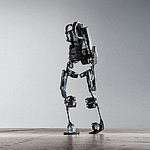
Chances are you may have seen an amputee or person with a disability with a sophisticated and complex medical device before. What you probably didn’t stop to consider is where they got it and who created it? Bionic medical devices are devices that have an electrical component which allows them to sense muscle contractions in the human body, then send electrical signals to nerves allowing a response. Since bionic medical devices are devices by definition, they must also seek a pathway to FDA approval before they can be marketed in the U.S. Given the small population of individuals, relatively speaking, who need these devices the most common pathway to approval is through a Humanitarian Device Exemption (HDE). Like any pathway to marketing approval (510(k), Investigational Device Exemption, Investigational New Drug) there is a consider amount of research and development, and capital needed to achieve it. Jamie Hartford, the managing editor of Medical Device and Diagnostic Industry (MD+DI) News Products and Suppliers recently published an online article outlining some of the common obstacles faced when working to achieve approval for these bionic medical devices.
Topics: MD+DI, Humanitarian Device Exemption, Bionic Medical Devices