If one of your clinical research sites has received an FDA warning letter or FDA Form 483, your first instinct may be to panic. It may also be tempting to look for someone to blame, which is equally unhelpful.
Topics: Form 483, FDA, Warning Letters



You want to keep your trial on track, but physical distancing and travel restrictions have made it difficult. Fortunately, IMARC has experience providing remote services.
If one of your clinical research sites has received an FDA warning letter or FDA Form 483, your first instinct may be to panic. It may also be tempting to look for someone to blame, which is equally unhelpful.
Topics: Form 483, FDA, Warning Letters

Medical device manufacturers know that the FDA can inspect their establishment any time,
Topics: Form 483, Medical Device Manufacturers, FDA

Since there are currently no FDA approved or cleared diagnostic tests to detect SARS-CoV-2,
Topics: FDA, Pandemic, Diagnostic Testing

A well-controlled clinical trial is much like a well-controlled experiment: They are both rooted in the cornerstone of the scientific method.
Fortunately for sponsors and their research teams, the FDA gives explicit guidance on what it means to run an adequate and well-controlled clinical trial in 21 CFR 314.126.
Let's take a closer look.
Topics: 21 CFR 314.126, FDA, Clinical Research

Last week, the FDA and Federal Trade Commission (FTC) released a joint statement promoting collaboration to improve the marketplace for biological products, highlighting the necessity of incorporating biosimilars and interchangeable products and deterring anti-competitive behavior. Biological products are defined by FDA as “a diverse category of products…may be produced through biotechnology in a living system, such as a microorganism, plant cell, or animal cell, and are often more difficult to characterize than small molecule drugs.”
Topics: FDA, Federal Trade Commission, Biosimilars, Biologics

Clinical monitoring is the foundation for IMARC's services and a critical part of ensuring compliance. It's so fundamental, in fact, that sometimes it's easy to overlook the basics.
In this post, we'll take a closer look at what monitoring entails and five steps you can take to ensure success.
Topics: FDA, Clinical Trial Monitoring

No matter where you land on the clinical research spectrum, chances are you have encountered some challenges with interpreting and/or implementing Good Clinical Practice (GCP) guidelines. With so many trial designs and research settings, it can be difficult to know how to appropriately apply GCP and even more difficult at times to get answers.
To help with your search, the FDA has created a page that provides copies of e-mail messages (the original inquiry and associated reply(ies)) that have been submitted by the public to the Good Clinical Practice Program’s [email protected] e-mail account. Inquiries range from 2013 to 2018 and are categorized by the following inquiry subjects:
Topics: Good Clinical Practice, GCP, FDA


Medical devices are part of a multi-billion dollar industry that continues to rapidly grow due to technological advances. As a consequence, medical devices have been a hot topic in the mainstream media with coverage in the documentary “The Bleeding Edge” on Netflix and a piece by John Oliver on HBO’s “Last Week Tonight”. In these pieces, the shortcomings of the medical device regulation process in the United States are the focus. And this has sparked some great discussion among medical device clinical professionals and the public alike. However, understanding the medical device regulation process is paramount in order to strive for continuous improvement, updated regulations, and being informed both as a clinical professional and as a patient.
Topics: FDA, Medical Device Classifications
There is no way to foreshadow a successful outcome of a clinical research trial; however, utilizing FDA guidance and recognizing common causes of an “off-track” study may help with early identification and correction of any necessary study clean-up.
Topics: FDA, Study Clean-up

On April 11, 2019 a memo was released from the Office of Management and Budget (OMB) stating that United States agencies, which include the Food and Drug Administration, rules and guidances must go to the OMB’s Office of Information and Regulatory Affairs for review beginning on May 11, 2019.
The OMB will be reviewing the agencies regulations and guidances to determine whether they are classified as “minor” or “major”. Previously, each agency was responsible for determining on its own whether the proposed new rule should be classified as major based on reviewing the CRA criteria, which is listed below.
Topics: FDA, Office of Management and Budget

Following an FDA inspection, a clinical research site may be issued an FDA Form 483 or a warning letter.
The Form 483 and FDA Warning Letter both serve a similar purpose—to inform sponsors and principal investigators of issues requiring corrective action—but there are some important differences. A Form 483 is less formal but can escalate to a warning letter in the same way a tornado watch becomes a more serious warning.
Read on to learn the differences between Form 483s and FDA Warning Letters, as well as potential changes on the horizon.
Topics: Form 483, FDA, Warning Letters

The recent partial government shutdown, which is now the longest in US history, has various stakeholders in the medical device and pharmaceutical industries concerned with the potential impact on the world of clinical research. The FDA is one of the federal agencies most affected, as the budget for fiscal year 2019 is on hold until the shutdown ends and Congress can appropriate funds. FDA Commissioner Scott Gottlieb recently tweeted that “The lapse in funding represents one of the most significant operational challenges in FDA’s recent history…It’s not business as usual at FDA. Many key functions aren’t getting done”. Approximately 40% of FDA employees have been furloughed since December 22nd due to the shutdown. The reduced staff at the FDA has been allowed to continue performing specific duties associated with the regulation of clinical research using funding generated from carry-over user fee balances that were paid in 2018. As part of the review process for new medical device registration applications, the FDA charges what is known as Medical Device User Fees . Each type of FDA submission has an accompanying fee that must be paid by medical device companies in order for an application to be reviewed, such as $10,953 for a 510(k), $11,275 for an Annual Report, or $322,147 for a Premarket Approval Application (PMA). Similarly, under the Prescription Drug User Fee Act (PDUFA), user fees are charged for the review and approval of new pharmaceuticals, such as $2,588,478 for a new drug application when clinical data is required. While the FDA has been able to continue to carry out existing reviews that were funded during fiscal year 2018, this cannot serve as a long term solution as these funds are finite. The FDA Commissioner has already cautioned that agency funds from PDUFA user fees may run dry within a month’s time and medical device user fees may be close behind with only two-three months of funding remaining. Below are additional impacts related to the shutdown.
Topics: Government Shutdown, FDA Backlog, FDA, Clinical Research
Recently the FDA released an announcement outlining plans to further modernize the 510(k) clearance pathway. This briefing falls in line with the latest efforts by the FDA to promote and improve safety and effectiveness in an efficient manner. The current 510(k) framework, which has been in existence since the 1976 Medical Device Amendments will undergo some much-needed updates in the near future to adapt to the ever-evolving medical device landscape. The FDA has already taken steps this past year to begin the transformation process, including the release of a draft guidance regarding the abbreviated 510(k) program. Additionally, the agency recently shared a “performance report” describing various measures implemented in the last 10 years to improve the 510(k) pathway, with a spotlight on recent efforts. These actions taken by the FDA include:
Topics: 510(k) Program, FDA

The FDA released a follow-up statement to their “Medical Device Safety Action Plan: Protecting Patients, Promoting Public Health” release that was unveiled in April 2018. The focus was expanding on post-market surveillance for medical devices. In this plan, the main objectives were to promote and improve public safety and detect safety risks earlier while keeping all those involved, including physicians, informed.
Topics: Medical Device Clinical Studies, FDA, Clinical Vendor Audits, Post-Market Safety
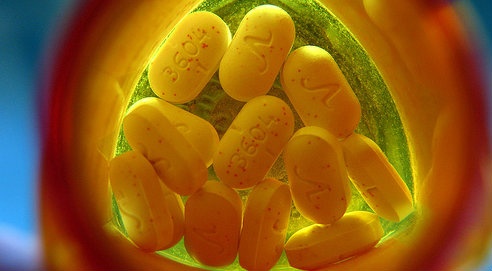
Concomitant medications (con-meds) are any prescription or over-the-counter drugs and supplements taken in addition to an investigational therapy by a study subject. Many study protocols require capturing con-med usage into subject’s study record. This can be an extremely difficult task as it relies on the honest and accurate reporting by subjects as well as detailed review of medical records. It is not enough to simply submit the name of a medication, as most con-med reports typically require dosage, frequency, and duration of usage. Often, multiple con-med entries will need to be created in the study record for the same medication if the dosage changes or if the subject stops and restarts the medication. This can potentially lead to dozens or more errors of data point entries for a single study subject. So why are con-meds so important in research trials and how can researchers ensure that con-meds are being accurately reported?

When the FDA reviews a new drug application (NDA), they typically review multiple data sets, summaries, and other reports provided by the Sponsor. However, the amount of information that is usually released by the FDA at the time of approval was limited at best as well as sporadic. Under the FDA’s Clinical Data Summary Pilot Program, transparency of the approval process and access to more study-related documents are the goals, according to FDA commissioner Scott Gottlieb, M.D. who released a statement on 16 January 2018 about the new pilot program.
Topics: FDA, Clinical Data Summary Pilot Program, Transparency

A safety monitoring group may be called many different things— a data monitoring committee, a data safety monitoring board, a clinical events committee, a medical monitoring group, among others. The sponsor will determine if and what type of safety monitoring group will be needed based on study risks.
Topics: FDA, Safety Monitoring Oversight
US FDA Commissioner Scott Gottlieb provided some key digital health initiatives along with his vision on how he wants the agency to work with the sector in the coming years.
Topics: FDA, Digital Health,, Diagnostic

On December 13, 2016, the Breakthrough Devices provisions were added to the Food, Drug, and Cosmetic Act through section 3051 of the 21st Century Cures Act. This program is intended to help patients have more timely access to devices and breakthrough technologies that provide for more effective treatment or diagnosis for life-threatening or irreversibly debilitating diseases.
Topics: Medical Devices, Draft Guidance, FDA

Clinicaltrials.gov is a database of clinical research trials being conducted both in the United States and internationally and is intended to be a resource for patients and researchers alike. Housed by the United States National Library of Medicine, clinicaltrials.gov currently has postings for over 257,000 clinical studies that are being conducted in over 200 countries. On January 18, 2018, the “Final Rule for Clinical Trials Registration and Results Submission” will go into effect. This rule provides further clarification on the “What, How, and When” of clinical trial reporting requirements.
Topics: Clinical Studies, FDA, clinicaltrials.gov

What is electronic informed consent?
Topics: Informed Consent, FDA, Electronic

If you have run a clinical trial, you are most likely familiar with the Western Institutional Review Board, more commonly referred to as WIRB. They are the largest central IRB in the world, servicing pharmaceutical, device, and biologics trials across the globe. One of their most useful resources for clinical professionals is “A Guide for Researchers”, which outlines their current policies. These policies are based on an integrated regulatory framework, consisting of the Food and Drug Administration (FDA) regulations (namely 21 CFR 50 & 56), the Department of Health and Human Services (HHS) (45 CFR 46 Parts A-D), and the International Conference of Harmonization (ICH) Guidance for Industry (E6- Good Clinical Practice). As the clinical research landscape continues to evolve, the WIRB policies are adjusted to match that climate. This is evident in the four revisions/updates to “A Guide for Researchers”, updated August 17, 2017. These updates are described below.
Topics: FDA, WIRB Policy
It has been estimated that In Vitro Diagnostics (IVD) will play a role in around 70% of health care decisions, and market estimates predict the IVD market will be close to 75 billion dollars in 2010. The role of IVDs in health care decisions should only continue to grow as healthcare shifts away from a “one-size-fits-all” model. Furthermore, developments in technology and the scope and precision of some of these devices have led to the evolution of the IVD field and with it, the role the FDA has played in regulating these devices.
Topics: FDA, In Vitro Diagnostics
Your friends from the FDA stopped by and noted several red flags at your site in a Form 483. Now what? The most important thing you can do as a principal investigator is accept responsibility for these violations and demonstrate you're taking steps to address them.
Topics: Form 483, Principal Investigator, FDA
 Guidance Manual.jpg)
The Food and Drug Administration (FDA) released an updated Guidance for FDA Staff for Sponsors, Contract Research Organizations (CROs) and Monitors on April 19, 2017 as part of the Bioresearch Monitoring (BIMO) program. The updated version contains revisions to Part III, section D, which provides additional instructions to FDA investigators related to www.ClinicalTrials.gov reporting and registration requirements that came into effect on January 18, 2017 in 42 CFR Part 11.
Topics: BIMO Metrics, FDA, BIMO Guidance Manual

I ran across an article in a recent edition of Medtech Insight that focused on the 10 key details from US FDA agreements that will impact medical device and diagnostics companies. The article indicates that the US FDA user-fee reauthorization legislation is proceeding through Congress, most recently with a May 11 markup in the Senate Health, Education, Labor and Pensions Committee. Lawmakers would like to see a bill passed in July.
Topics: Congress, FDA, user-fee reauthorization
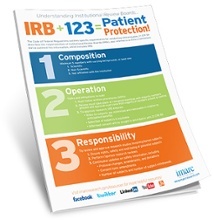
The key players in a clinical investigation are infamously made up of Sponsors, monitors, investigative sites, and patients. A fundamental part of the team is also the Institutional Review Board (IRB), as they oversee the conduct of clinical research. Per the FDA’s IRB information sheet, “IRBs are responsible for continuing review of ongoing research to ensure that the rights and welfare of human subjects are protected.” That’s a tall order!
Topics: Patient Protection, FDA, IRB

Obtaining useful and significant data is paramount to a successful clinical trial; however for those studies with a limited amount of quantitative scientific data, results may be highly dependent on patient-reported outcomes (PROs). The FDA definition of a PRO is “any report of the status of a patient’s health condition that comes directly from the patient, without interpretation of the patient’s response by a clinician or anyone else”.
Topics: FDA, PROs, Patient Reported Outcomes

Regulations are a set of legal rules that are established by a regulatory authority such as the FDA. They are required to be followed and are enforceable by legal consequences such as fines or imprisonment. The process of making a regulation can be a lengthy but important process. Federal agency priorities, industry trends, public safety, or new technology are potential reasons for creating a new rule, which can later become a federal regulation. The process of “rulemaking” is simply described:
Topics: Federal Regulations, FDA
The FDA’s Unique Identification program directs that class II device-makers to be compliant with the law by September 24, 2016. Based on this deadline, there is evidence that many manufacturers are unprepared for the next phase of the agency’s UDI rule.
Topics: FDA, UDI Deadline, Linda Sigg
Each year the Food and Drug Administration (FDA) releases metrics on the Bioresearch Monitoring (BIMO) Program. The purpose of the BIMO program is to inspect FDA-regulated clinical trials to ensure the rights, safety and welfare of human research subjects have been protected and that the validity of research data is accurate to support a marketing application. When serious violations are found during a BIMO inspection, a warning letter is issued. These BIMO inspection metrics provide the common findings that are found during these inspections by fiscal year (FY). According to the United States federal government, the FY begins on October 1st of the previous calendar year and ends on September 30th, the year in which it is numbered.
Topics: FDA Warning Letters, FDA, BIMO Program
As the regulators continue to raise the bar for quality clinical research investigations, IMARC has released a whitepaper that discusses the principles of risk management and their application to clinical research.
Topics: Risk Management, FDA, Clinical Research
After months/years of conducting your clinical trial, you submit a Premarket Approval Application (PMA) to the Food and Drug Administration (FDA) with the expectation that your Class III medical device will be approved. Unexpectedly, you receive a call from the FDA. The FDA requests to inspect one of your sites to ensure that the data is scientifically valid and the welfare of research subjects have been protected. You don’t worry. Later, the FDA issues a Warning Letter revealing serious violations that could jeopardize the validity of the trial and may refuse to approve the application. You then realize, all of this could have been prevented.
Topics: FDA, Clinical Monitoring, Data Integrity

We are in an era where mobile platforms, such as smartphones, tablets and wearable devices have become a necessity. Mobile applications that run on these platforms provide a variety of entertainment options (games, videos, etc.), allows you to check your electronic mail, and interact with family and friends. Other applications that are being developed are now allowing us to track our health and wellness, and even communicate with healthcare providers, remotely. These types of applications are known as either mobile health applications (mHealth) or mobile medical applications (MMAs).
Topics: Mobile Medical Applications, FDA, Digital Health,

After several months of deliberation, the FDA has put some hard numbers to how much the proposed user fee reauthorization act (MDUFA IV) would cost. The agency has indicated the price tag of the reforms at $500 million over five years on top of the current user fee base. This does not take inflation into account.
The FDA had initially estimated it would cost and extra $456.4 million over five years. However, after more analysis the agency update the estimate according to January 27th meeting minutes.
There are many stakeholders involved in conducting a clinical trial today; however, there can be many challenges to the infrastructure of running a clinical trial. Challenges that are seen with running medical device trials can vary anywhere from securing funding to lacking
Topics: FDA, CDRH, Robert Califf, Clinical Research Associate
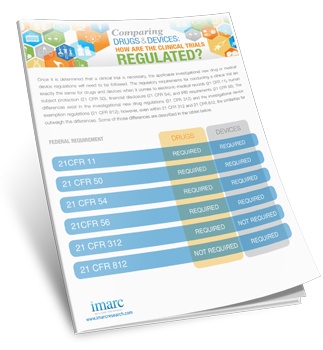
Several year ago, IMARC Research published a whitepaper outlining the differences between Drug and Medical Device clinical trials. Since IMARC focuses primarily on medical device trials, we felt it was important to highlight the differences between the two trials. It has proven to be one of our more popular whitepapers, so we have decided to offer everyone an infographic as a quick reference.
Topics: Drugs vs. Devices, IMARC Research, FDA
It has been estimated that In Vitro Diagnostics (IVD) will play a role in around 70% of health care decisions, and market estimates predict the IVD market will be close to 75 billion dollars in 2010. The role of IVDs in health care decisions should only continue to grow as healthcare shifts away from a “one-size-fits-all” model. Furthermore, developments in technology and the scope and precision of some of these devices have led to the evolution of the IVD field and with it, the role the FDA has played in regulating these devices.
Topics: IVD, FDA, IMARC Research Whitepaper, In Vitro Diagnostics

In the clinical research industry, approvals for investigational products are not granted- they are earned. Increasing numbers of FDA early-intervention and routine inspections can increase the stress levels of everyone involved in clinical trials. Auditing can be looked at as a quality assurance process, and a way to prepare for inspections and approval by:
Topics: Voluntary Audits, FDA, Medical Device Single Audit Plan, Routine Inspection Plan
FDA has the authority to require Sponsors to conduct a Post-Approval Study (PAS) at the time of approval of a Pre-Market Approval (PMA) to assess the continued safety and effectiveness of an approved device. Failure to complete a Post-Approval Study could result in the FDA taking away the PMA. How are Post-Approval Studies similar and different to Pivotal Studies?
Topics: Post Approval Studies, FDA, Pre-Market Approval, IDE Studies

A group of us found ourselves asking this very question after a monitoring visit…what is the difference between a compassionate use subject and a subject who is enrolled in a study without meeting all the inclusion/exclusion criteria (planned protocol deviation)? In both cases the subject does not meet inclusion/exclusion criteria.
As always, we took it to the Federal Regulations/Guidances to see what they said.
Topics: Compassionate Use, Protocol Deviations, FDA
On a recent monitoring visit a Research Coordinator was inquiring about a Sponsor’s international research sites and if there were any specific policies on accepting clinical data from foreign/non-U.S. clinical sites. For this particular study the Research Coordinator expressed interest on how these sites support a premarket submission study conducted in the United States.
Section 569B of the Federal Food, Drug, and Cosmetic Act states that “In determining whether to approve, license, or clear a drug or device pursuant to an application submitted under this chapter, the Secretary shall accept data from clinical investigations conducted outside of the United States, including the European Union, if the applicant demonstrates that such data are adequate under applicable standards to support approval, licensure, or clearance of the drug or device in the United States.” In other words, any data obtained from outside of the United States for a clinical study will be held to the same standards as that data obtained within the U.S.
Topics: FDA, U.S. Clinical Research, International Clinical Research

During a routine monitoring visit of a physician-sponsored IDE study, it was noted that the site was receiving “waivers” from the Sponsor to enroll subjects who did not meet one of the anatomical exclusion criteria. A
From the FDA’s perspective, did the Sponsor do enough?
Topics: Protocol Deviations, FDA, Sponsor, Physician-Sponsored IDE Study, Clinical Monitoring
We have all had sites that close prior to the study actually being completed. It is always asked if the site’s IRB allows them to close the study and submit the Sponsor’s final report when the study is completed or if the study needs to remain open at the site to allow the final report to be received by the IRB.
If the study needs to remain open with the IRB, this can become time consuming and costly if the study completion is several years away. The site would need to submit for Continuing Review each year until the Sponsor’s final report is received.
Topics: FDA, IRB, Sponsor Report, Study Closure
The number of original PMAs for completely high-risk devices and panel track supplements for major new updates approved by the FDA, was at its highest level since 2001. Approvals increased to 56% in 2015 compared to the previous year and almost double the 2013 total.
Topics: FDA, CDRH, William Maisel, User Fee, Paul LaViolette
I am often asked by industry colleagues that if I had to pick just one “favorite” federal regulation what would it be? The answer is easily 21 CFR 812.100, as this regulation embodies 95% of the investigational site non-compliances I observe as I conduct clinical investigator audits. Let me elaborate.
21 CFR 812.100 falls under Subpart E- Responsibilities of Investigators of the IDE Regulations. This regulation succinctly details investigator responsibilities in just two sentences.
Topics: Investigator Responsibilities, Clinical Reearch, FDA, 21 CR 812.100

On the eve of the day we welcomed 2016 the FDA issued a draft guidance regarding notification of the public on “emerging signals” regarding medical devices that are already used in clinical practice. The FDA defined an emerging signal as “new information about a medical device” that:
Topics: Draft Guidance, FDA, Emerging Signals

This is the second of a two blog series on the Draft Guidance for Institutions and IRBs. The first blog was published on January 7, 2016.
In November 2015, the Food and Drug Administration (FDA) and Office for Human Research Protections (OHRP) jointly issued a draft guidance to assist both institutions and institutional review boards (IRBs) in preparing and maintaining minutes of IRB meetings. The requirement for an institution or IRB to prepare and maintain adequate documentation of IRB activities can be found in the regulations (45 CFR 46.115; 21 CFR 56.115) and inadequate meeting minutes has shown up as a common deficiency in 2014 IRB inspections and Warning Letters. As a result, the draft guidance was prepared to provide recommendations on the type and amount of information to include in the minutes.
Topics: Draft Guidance, IRBs, FDA, Institutions
The draft guidance “Minutes of Institutional Review Board (IRB) Meetings: Guidance for Institutions and IRBs” was released jointly by the Food and Drug Administration (FDA) and the Office for Human Research Protections (OHRP) in November 2015. This draft guidance document is intended to assist institutions and IRBs responsible for preparing and maintaining minutes of IRB meetings, describe requirements for minutes, and provide recommendations for meeting the regulatory requirements for minutes.
Topics: Draft Guidance, IRBs, FDA, Office for Human Research Protections, Meetings

Dr. Harvey Arbit of Arbit Consulting has penned a whitepaper for IMARC Research titled, “Significant Risk/Non-Significant Risk Determination and IDE Applicability.” Although the Medical Device Amendments were enacted on May 28, 1976, it still seems that after all these years there is confusion and misunderstanding regarding the process for determining if an investigational device is Significant Risk (SR) or Non-Significant Risk (NSR).
Topics: Dr. Harvey Arbit, Signficant Risk, Non-Signficant Risk, FDA

FDA defines the term
Topics: Laboratory Developed Tests, FDA, LDT

During his November 17th conformation hearing at the Senate Health, Education, Labor and Pensions Committee FDA commissioner nominee Robert Califf indicated that the FDA could have a new combination pathway ready for approval within a year. He is trying to replace Margaret Hamburg, who left the FDA back in April.
During the hearing Califf agreed that the FDA’s existing structure for reviewing combination products is not suitable. “It’s a strong view at the FDA that we need another pathway that will give the FDA the flexibility to require the data that’s needed to ensure the public the proposed treatment is safe and effective.
Topics: Combination Products, FDA, Robert Califf, Product Pathway
You’ve received “the call” from the FDA auditor. After an understandable quick moment of panic, what should your next steps be?
At IMARC, we have participated in the audit preparation process for numerous sites who have been contacted for an FDA audit. It is helpful for a site to know what the FDA auditor will use during their review. In a past blog, we discussed a new document introducing a standardized Nonconformity Grading System, which was created by the former Global Harmonization Task Force (now re-named International Medical Device Regulators Forum) to assist regulatory authorities and auditing organizations.
Topics: Audit Prep, BIMO Checklist, FDA

Recently, while on a monitoring visit for a physician sponsored IDE study in which IMARC was concurrently conducting a clinical audit, I was caught off guard by the question “do you know what the FDA Form 3674 is?” I thought I had spent a good deal of my professional career working in the clinical research industry, I try my best to be a diligent student of the regulations and GCP guidelines, and even have tested my wits by passing the SOCRA certified clinical research professional exam. However, I was stumped when it came to this mysterious form, albeit somewhat relieved that my co-monitor and the auditor that asked me were equally baffled by what it was. At our auditor’s good suggestion, we took to finding the answer. That night, she emailed FDAs FDAs [email protected] for their input. This is really a fantastic tool in and of itself if you have not utilized it, someone from FDA will respond to your questions regarding good clinical practice in the field of clinical research.
Topics: 510(k) Program, Clinical Auditing, FDA, Form 3674
In the wake of the recent Ebola pandemic, we realize the importance of pushing drugs and pharmaceuticals through the FDA approval process as quickly as possible. From drug discovery to FDA approval, the average drug takes roughly ten years costing $2.6 billion dollars during the process. Delaying the drug from reaching market just one day can cost the Sponsor millions and potentially the lives of patients hindered by the condition the drug is to treat. With the pressing need for cures and treatments, an expedited approval has the potential to be advantageous for all. Over a series of blogs, I will review the four FDA expedited review programs.
Topics: FDA, Expedited Review
When documenting your research observations, it is important to remember the adage, “If it wasn’t documented, it wasn’t done”. As research professionals, we have an obligation to uphold the highest ethical standards and make all possible efforts to comply with Good Clinical Practice. We must take credit for what we do - and to take credit for what we do, we must properly document our work.
Topics: 21 CFR 58.130 (15), ALCOA Checklist, FDA
The FDA evaluates the disclosure of financial information from clinical investigators to determine the reliability of data submitted to the FDA and identify steps to minimize the potential for bias. The value of an investigator’s financial interest in the sponsor may have the potential to increase if the product is approved. 21 CFR 54 states that investigators must disclose significant equity interest in the sponsor, any proprietary interest in the sponsor and significant payments of other sorts from the sponsor during the time the investigator is carrying out the study and for a period of one year following completion of the study.
Topics: Draft Guidance, Financial Disclosure, FDA

Recently, FDA issued a new draft guidance document through their online email notification system regarding proposed revisions to the ICH GCP Guidelines for Good Clinical Practice. The draft guidance, titled “E6 (R2) Good Clinical Practice,” is currently in what FDA calls “Step 2 of the ICH Process,” which means that it was released for feedback by the ICH Steering Committee on 11 June 2015 to the regulatory authorities of the ICH regions (the European Union, Japan, the USA, Canada, and Switzerland). This is very exciting news for the clinical research community, as the ICH GCP Guidelines have not been updated since they were originally released nearly 20 years ago in 1996.
Topics: Good Clinical Practice, ICH GCP, Draft Guidance, FDA
A police siren blares, but only for a brief moment indicating that the police officer just wanted to make his presence known.
In turn, your surprise quickly morphs into frustration as you see the flash of red and blue lights in your rear view mirror. You pull to the side of the road.
“Do you know why I pulled you over?” the officer posits staring at a roll of papers in his hand.
“Honestly, I am at a loss sir?” you sarcastically reply. “I just got on the highway to test out my new car, which is just off the assembly line, I might add, and I wasn’t even up to the speed limit yet.”
Topics: FDA, Post Market Surveillance Study, Section 522

As we are in an era of “patient-centered” medical care, the focus of health care now enables patients to make choices regarding their physicians, hospitals, and treatment options. The transparency of medical costs allow patients to “shop-around” for their healthcare preferences, and gone are the days of simply letting health care providers guide medical decisions. In a recent article on the FDA’s website, they have fostered this idea and announced their first ever Patient Engagement Advisory Committee (PEAC). This committee is part of the FDA’s Patient Preference Initiative, which was launched in 2013, and marks an additional way to incorporate patients’ views on benefits and risks with those of the FDA’s scientists, engineers, and medical professionals.
Topics: FDA, Patient Engagement, PEAC
You may have heard the term Sponsor-Investigator before, but just who are they and what do they do? Just as the title suggests, a Sponsor-Investigator is someone who both initiates (sponsors) and conducts (investigator) an investigation. This may sound simple, but in actuality, the role can be quite complicated. However, like anything else, with proper preparation and support it can be accomplished. Sponsor-Investigators are a rare breed of extremely intelligent, hardworking people who are on the cutting edge of scientific advancement in their respective fields. They are so committed that they are willing to do essentially twice the work to bring new technologies and advancements to the medical community.
Topics: Sponsor-Investigator, FDA

On May 6th, 2015 the FDA released a draft guidance on Leveraging Existing Clinical Data for Extrapolation of Pediatric Uses of Medical Devices. This guidance expands on the information provided in the final Premarket Assessment of Pediatric Medical Devices guidance originally published in 2004 and updated in 2014. The FDA believes that leveraging relevant clinical data may lead to more devices being approved for pediatrics. The guidance defines pediatric patients as 21 years or younger at the time of diagnosis or treatment.
Topics: Medical Devices, Clinical Data, FDA
Have you ever done a regulatory review and noticed a protocol signature page that wasn’t signed by the Principal Investigator? Or, have you seen a protocol that does not have a signature page? It may make you wonder if a signature page is required.
Topics: Principal Investigator, Clinical Investigational Plan, FDA, 1572 Form, ICH GCP E6 8.2.2
I was reading an article on the FDA’s website over concerns related to devices causing serious adverse events, the determination that the benefits outweigh the risks was the conclusion. This raises some interesting questions with regards to patient safety. The article specifically talks about devices that are used primarily as a bridge to transplant (BTT) or destination therapy in relation to severe heart failure. Having been trained on the particular devices in question and taking care of the patient population whom received the devices, these patients have very few if any options. Determining whether or not a device is safe is one thing but distinguishing if a device that has been shown to cause serious adverse events is acceptable in a certain patient population is another.
Topics: Medical Devices, FDA, Risk, Title 21 Part 812.30

A medical device company files a marketing application with FDA and awaits a determination on whether or not its clinical trial data is sufficient to support product approval and/or clearance.
Topics: Quality Improvement, Medical Device Trials, FDA
There continues to be much discussion over the FDA’s 510(k) program, which has led to controversy and confusion over the direction of the program. In fact, we have posted many blogs devoted to this topic, so we thought it was time to create a whitepaper focusing on the topic.
Topics: 510(k) Program, IMARC Whitepaper, FDA

As the regulators continue to raise the bar for quality clinical research investigations, IMARC has released a whitepaper that discusses the principles of risk management and their application to clinical research.
The guidance documents for good clinical practice (GCP), ICH E6 and ISO14155, state the sponsor is responsible for quality assurance and quality control within a clinical trial. To achieve this, the sponsor must invest resources into these different aspects of a clinical trial. One specific aspect of integrating quality involves how risks are approached and managed throughout the course of a study. Both the Food and Drug Administration (FDA) and the European Medicines Agency (EMA) released documents in 2013 focused on the integration of traditionally development and manufacturing quality principles, including risk-based approaches into the clinical research industry. FDA’s “Guidance for Industry: Oversight of Clinical Investigations—A Risk-Based Approach to Monitoring” and EMA’s “Reflection paper on risk based quality management in clinical trials” both describe how regulators now expect a quality, risk-based approach when conducting clinical research. These documents are examples of the shift toward quality techniques underway within industry when developing, initiating, and executing studies.
Topics: Risk Management, IMARC Whitepaper, FDA
Both companies and the FDA continue to be frustrated with the mismatches between drug and device regulations along with the communication challenges between the product centers that lead to inefficiencies. FDA officials are signaling that the combination products review process is ready for reform and the 2017 user fee authorizations offer a good opportunity to make much needed changes.
Topics: Jeffrey Shuren, Combination Products, FDA, Robert Califf
Selecting clinical sites for research purposes may be a difficult and seemingly overwhelming task for a sponsor. Familiarity with a site might help with selection, but multiple contributing factors can influence whether or not a site is ultimately chosen. Choosing the wrong sites could have a detrimental effect on the study including:
Topics: Sponsors, Site Selection, FDA
For the sixth year consecutive year, IMARC is presenting its Top 10 Warning Letter findings for your review.
Topics: BIMO Metrics, Top 10, FDA, Warning Letters

Coming from a background of working as a patient care nurse in the ICU, I would witness the consent process on a daily basis for biopsies, bronchoscopies, chest tubes, arterial lines, etc... These were non-research procedures; they were procedures to assist in the treatment of the critically ill. When I first started a career in research, I already knew that obtaining consent was more than a piece of paper and that it was a discussion and a process, but “a consent is a consent” for standard treatment in a hospital or for research, right? WRONG- I found out very quickly through IMARC’s training program that obtaining consent in research involves so many different specific elements, different from an informed consent for non-research procedures.
Topics: Informed Consent, FDA, Clinical Research, Standard Consent
You may be familiar with IMARC Research’s History of Clinical Research (HCR). We recently released an eBook about it that briefly describes all of the images that currently make up the timeline. If you have visited our office, you may have also been given a guided tour of one of our most renowned resources. Due to the overwhelmingly positive feedback we have received, we will be highlighting each time point with a series of blogs that we plan to release over the course of the 2014-2015 calendar year.
Topics: History of Clinical Research Timeline, FDA, Medical Device Industry, President Gerold Ford

On May 21st the House Energy and Commerce committee unanimously passed a bill that would allow medical device companies to bypass 510(k) submissions for certain product modifications. The 21st Century Cures bill will now move to the House floor, and bill sponsors hope for a vote by the end of the year.
The device “third-party quality system assessment section” was revised by the committee and would let companies make a device modification that would typically require a 30-day notice of a “special” PMS supplement could without a submission by having their quality system specially certified by a third-party auditor.
Topics: FDA, 510(k), House of Representatives, 21st Century Cures Bill
In March, 2015, FDA released a new draft guidance: Use of Electronic Informed Consent in Clinical Investigations: Questions and Answers.
FDA defines electronic informed consent (eIC) as using electronic systems and processes that may employ multiple electronic media (e.g., text, graphics, audio, video, podcasts and interactive Web sites, biological recognition devices, and card readers) to convey information related to the study and to obtain and document informed consent.
Topics: Informed Consent, FDA, Electronic

In the wake of the recent Ebola pandemic, we realize the importance of pushing drugs and pharmaceuticals through the FDA approval process as quickly as possible. From drug discovery to FDA approval, the average drug takes roughly ten years costing $2.6 billion dollars during the process. Delaying the drug from reaching market just one day can cost the sponsor millions and potentially the lives of patients hindered by the condition the drug is to treat. With the pressing need for cures and treatments, an expedited approval has the potential to be advantageous for all. Over a series of blogs, I will review the four FDA expedited review programs.
The Fast Track approach to FDA expedited review is intended for drugs aimed to treat serious or life-threatening conditions and fill an unmet medical need. According to Section 506(b) of the FD&C Act, a product is eligible to be labeled as a fast track product “…if it is intended, whether alone or in combination with one or more other drugs, for the treatment of a serious or life threatening disease or condition, and it demonstrates the potential to address unmet medical needs for such a disease or condition.”
Topics: FD&C Act, FDA, Fast Track

For clinical researchers, our “grade card” comes when the FDA inspects us. We all want to be told that we’ve operated in a compliant manner and that there were no findings. The alternative is to receive a Form FDA 483 (483) for significant deviations at the close of the inspection. When I got my first 483 as a research coordinator 18 years ago, I remember thinking to myself “I’m not going to let that happen again.” In my opinion, it was an indication that we had not delivered A+ work. Since the stakes are so high in this environment, and we’re asking patients to trust us to perform, it was a big wake up call for me.
Topics: IMARC Research, FDA, Form 483s

In the clinical research industry approvals for investigational products are not granted- they are earned. With FDA and International inspections on the rise, so are stress levels of everyone involved in clinical studies. Auditing can be looked at as a quality improvement process, and a way to prepare for inspections and approval by:
Topics: Medical Devices, FDA, Auditing

On April 1st, the FDA issued a draft guidance that provides more comprehensive information for industry and CDRH on the processes associated with panel device meetings. The new draft guidance document, Procedures for Meetings of the Medical Devices Advisory Committee, pertains to the to 17 of the 18 Medical Devices Advisory Committee (MDAC) panels overseen by FDA's Center for Devices and Radiological Health (CDRH), the FDA center in charge of regulating medical devices.
Once finalized, the updated guidelines will replace a 2000 CDRH guidance document on the panel process and a 1991 blue book memo. Thus, the guideline clarifies the circumstances in which the CDRH consults with a device advisory panel, the conduct of panel meetings and the expected timelines to prepare for a panel meeting.
Topics: Medical Devices, Draft Guidance, FDA, CDRH
Former FDA Commissioner Margaret Hamburg says FDA is still honing its medical device regulatory process so it strikes a balance between patient safety and industry’s desire to market their products. Speaking at the National Press Club in Washington D.C., which might be her last public appearance as commissioner. She indicated that she is not sure the U.S. or Europe have gotten the balance right yet.
Topics: Margaret Hamburg, FDA, Medical Device Regulatory Process

Recent widespread recalls of investigational products have led to harsher scrutiny and stricter rules from the Food and Drug Administration (FDA). Steps take to prepare for trials in the past are no longer enough. The path to FDA approval requires tremendous organizational skills and attention to detail to navigate; but with the right preparation and commitment to compliance, all of these challenges can be overcome.
Topics: Medical Devices, Complicated Clinical Trials, Medical Device CRO, FDA

You may be familiar with IMARC Research’s History of Clinical Research (HCR). We recently released an eBook about it that briefly describes all of the images that currently make up the timeline. If you have visited our office, you may have also been given a guided tour of one of our most renowned resources. Due to the overwhelmingly positive feedback we have received, we will be highlighting each time point with a series of blogs that we plan to release over the course of the 2014-2015 calendar year.
Topics: History of Clinical Research, Kefauver-Harris Amendment, IMARC Research, FDA
When the Food and Drug Administration (FDA) identifies significant findings with the conduct of a clinical trial during an inspection, what happens to those findings? According to a recent article published online by JAMA Internal Medicine, those findings remain hidden in plain sight.
Topics: Inspections, Charles Selfe, FDA, Warning Letters

There has been a recent trend in clinical research toward the use of central Institutional Review Boards (IRBs) or Ethics Committees (ECs) for multi-center trials. 21 CFR Part 56.114 outlines the following on cooperative research:
Topics: NIH, Centralization of IRBs, FDA
The FDA’s device center (CDRH) has established time based performance standards to help ensure draft guidance documents do not remain in an unresolved state for too long. The following draft performance goals have been outlined:
Topics: FDA, CDRH, Performance Goals, Draft Guidances, Bradley Merrill Thompson
On Friday, May 23, 2014 the Federal Register announced a notice that in an effort to increase the quality and efficiency of clinical trials, the Food and Drug Administration (FDA) was planning to grant a one-year, $7,500,000 grant to Duke University’s Translational Medicine Institute (DTMI) (renewable up to a total of five years, $37,500,000). This grant would primarily go to fund the public-private partnership Clinical Trials Transformation Initiative (CTTI). CTTI was originally created as a partnership between the FDA and Duke University in 2008, but now includes more than 60 organizations with representatives from government agencies, industry, patient advocacy groups, professional societies, investigator groups, academic institutions, and other interested parties.
Topics: DTMI, Federal Register, FDA, Clinical Research
What is a guidance document and how should they be used? A guidance document represents the FDA’s current thinking on a topic. Per FDA’s website, guidance documents “do not create or confer any rights for or on any person and do not operate to bind FDA or the public. You can use an alternate approach if the approach satisfies the requirements of the applicable statues and regulations.” Guidance documents usually discuss FDA’s interpretation of their policy on a regulatory issue.
Topics: 21 CFR 812, Database, Guidance Documents, FDA
Merriam Webster defines a case study as a published report about a person, group, or situation that has been studied over time; also : a situation in real life that can be looked at or studied to learn about something. Case studies can be useful to help highlight how to handle a particular situation, including the eventual outcome.
Topics: Audits, Case Study, IMARC Research, FDA, BIMO

What is the difference between Significant Risk studies (SR) and Non-significant Risk studies (NSR)?
Topics: Medical Devices, Significant Risk, Non-Significant Risk, FDA

Recently, the United States Department of Health and Human Services and the National Institute of Health (NIH) issued two proposed rulings that may have a profound impact on how results of clinical trials are made more transparent to the public. However, before we discuss these proposals, we should discuss briefly how the public has access to clinical trials.
Topics: NIH, ClinicalTrials.gov, National Library of Medicine, FDA, Clinical Research

An article in “The Gray Sheet” recently caught my attention. It talked about how the recent takeover by the Republican Party in the Senate, along with an increase in GOP House seats, could lead to an increased oversight of the FDA.
Topics: John Manthei, Fred Upton, 21st Century Cures, Margaret Hamburg, FDA
Coming from a background of working as a patient care nurse in the ICU, I would witness the consent process on a daily basis for biopsies, bronchoscopies, chest tubes, arterial lines, etc... These were non-research procedures; they were procedures to assist in the treatment of the critically ill. When I first started a career in research, I already knew that obtaining consent was more than a piece of paper and that it was a discussion and a process, but “a consent is a consent” for standard treatment in a hospital or for research, right? WRONG- I found out very quickly through IMARC’s training program that obtaining consent in research involves so many different specific elements, different from an informed consent for non-research procedures.
Topics: FDA, Clinical Research, IRB, Consent, 21 CRF 50.25
As the regulators continue to raise the bar for quality clinical research investigations, IMARC has released a new whitepaper that discusses the principles of risk management and their application to clinical research.
Topics: Whitepaper, Risk Management, Guidance Document, IMARC Research, FDA

Sponsor-Investigators are uniquely dedicated and invested in clinical research. In a previous blog post, IMARC described how Sponsor-Investigators have to wear two hats and follow two sets of regulations.
Topics: Sponsor-Investigators, 21 CFR 50, FDA, IRB

You may have heard the term Sponsor-Investigator before, but just who are they and what do they do? Just as the title suggests, a Sponsor-Investigator is someone who both initiates (sponsors) and conducts (investigator) an investigation. This may sound simple, but in actuality, the role can be quite complicated. However, like anything else, with proper preparation and support it can be accomplished. Sponsor-Investigators are a rare breed of extremely intelligent, hardworking people who are on the cutting edge of scientific advancement in their respective fields. They are so committed that they are willing to do essentially twice the work to bring new technologies and advancements to the medical community.
Topics: 21 CFR, Investigator, FDA, Sponsor


I ran across an interesting article in “The Gray Sheet” on strategies to increase the enrollment of women in clinical trials. The FDA notes that adequate and appropriate populations of women are needed to support 510(k) clearances and PMAs.
Topics: Recruit Women, 501(k), PMAs, FDA, Clinical Research

I am often asked by industry colleagues that if I had to pick just one “favorite” federal regulation what would it be? The answer is easily 21 CFR 812.100, as this regulation embodies 95% of the investigational site non-compliances I observe as I conduct clinical investigator audits. Let me elaborate.
Topics: 21CFR812.100, Investigator Responsibilities, Clinical Auditing, FDA, Clinical Research

According to an August 22nd article in FierceMedicalDevices the FDA has picked up the pace on the most novel medical devices, but this year might not match levels seen in 2011 and 2012. To highlight this point, the article points out the agency granted 17 premarket approvals, which is a marked increase over the 23 granted for the entirety of 2013.
Topics: Med Tech, Novel Medical Devices, FDA

As the cell therapy market continues to grow, it’s important to note the similarities between medical device and cell therapy clinical trials. To help illustrate this, we’ve created an infographic, “Cell Therapy: The Fourth Pillar of Healthcare,” which is available for download.
Topics: Cell Therapy, Chris Mason, FDA